Our Programme Pillars

Five pillars of integrated work

Our Programme Pillars

Health, education, humanitarian support, climate resilience and women’s livelihoods work together around the realities households face.

HomeOur Programme Pillars

Five pillars of integrated work

Five pillars designed to reinforce one another.

Health, education, humanitarian support, climate resilience and women’s livelihoods work together around the realities households face.

Established 2009Bangladesh · Satkhira focus
Support our work →
Our Programme Pillars field context
Community programme activity
IVStrengthening communities across Bangladesh - from relief, to resilience.
Health & Well-being pillar story
IPillar I

Health & Well-being

Healthcare has always been at the heart of Life & Hope Foundation's mission. Through free Friday and Saturday community clinics across three locations in Satkhira, the Foundation provides professional consultations, diagnosis, essential medicines, diagnostic testing where necessary, and hospital referrals with financial assistance for those unable to afford care.

Beyond immediate illness, the programme includes maternal and women's health services, screening for conditions such as hypertension and diabetes, disability support through mobility equipment, and public-health emergency response. The next phase aims to strengthen community-based healthcare through trained community health workers.

The patient care pathway

Consultation → Diagnosis → Medicines & treatment → Specialist referral → Follow-up.

Explore this pillar →
Education & Child Development pillar story
IIPillar II

Education & Child Development

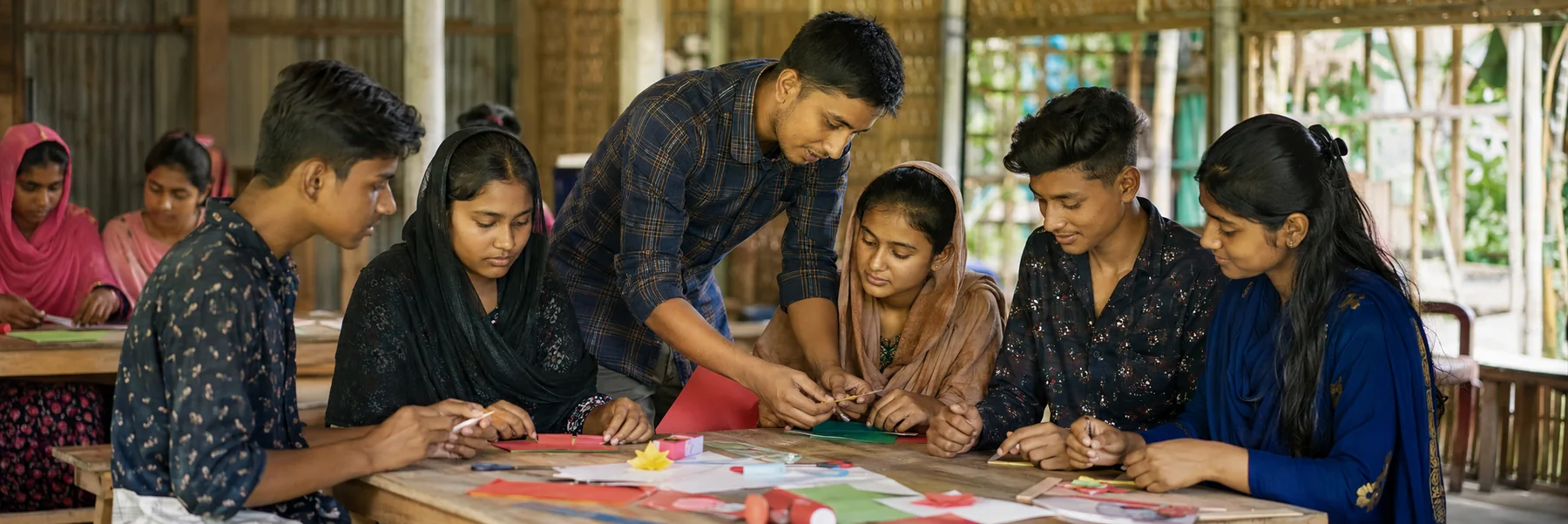
Life & Hope Foundation works to ensure that children, regardless of circumstance, have access to quality learning opportunities in safe and supportive environments. Programmes include construction and improvement of educational institutions, school supplies, educational sponsorships, scholarships, orphanage and madrasa support, and future vocational and career-development programmes.

Supporting girls' education has been part of the Foundation's vision since its earliest days. The Dolena Khanam Gold Medal, established in partnership with the Institute of Business Administration at the University of Dhaka, recognised outstanding female academic achievement and reflected the belief that investing in women's education and leadership benefits families, communities and society.

Explore this pillar →
Humanitarian Assistance & Basic Needs pillar story
IIIPillar III

Humanitarian Assistance & Basic Needs

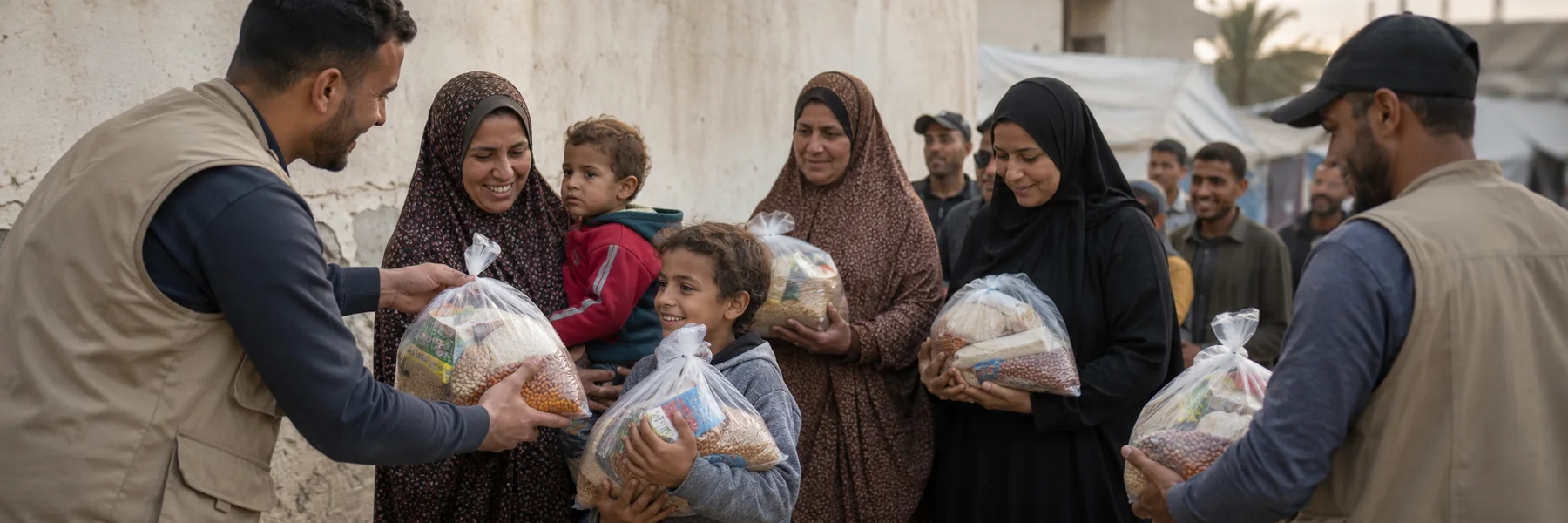
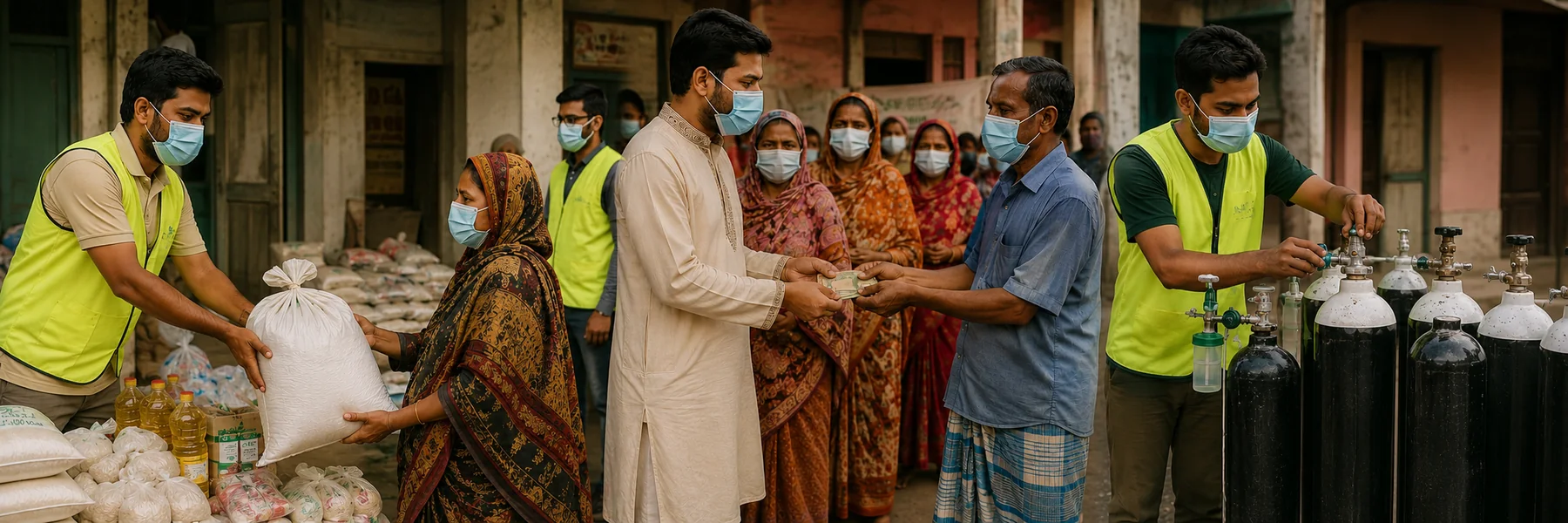
Timely humanitarian assistance has been a defining part of the Foundation's work since establishment. Programmes have delivered emergency food assistance during floods and cyclones, Ramadan food packages, Eid clothing, winter blankets and warm clothing, emergency shelter, direct financial support, oxygen equipment and medical assistance during health emergencies, and participation in international humanitarian appeals.

Relief is treated as the first step in a longer journey toward resilience and self-reliance.

Explore this pillar →
Water, Climate & Community Resilience pillar story
IVPillar IV - Waterlife

Water, Climate & Community Resilience

Satkhira faces salinity, flooding, water scarcity and changing environmental conditions. Waterlife is designed to improve access to safe drinking water while helping communities adapt and reduce future risks.

Initiatives include deep tube wells, future rainwater harvesting and sanitation improvements, climate adaptation, disaster preparedness, climate-smart agriculture, household food production and community infrastructure. Safe water also returns time to women who often bear the burden of collection, creating more space for education, caregiving and income-generating work.

Explore this pillar →
Women's Economic Empowerment pillar story
VPillar V - Flagship - We For Her

Women's Economic Empowerment

Women are selected based on their potential and the barriers limiting their economic participation, including unemployment, domestic responsibilities, climate vulnerability and limited market access. After completing a core curriculum, participants choose a specialised livelihood pathway aligned with their interests and goals.

Four livelihood pathways

Care Economy: Community Health or Home Care Assistants.

Digital & Business Services: bookkeeping, customer support, digital commerce and administration.

Production & Enterprise: handicrafts, textiles, food production and local manufacturing.

Climate-Smart Rural Enterprise: climate-resilient agriculture, homestead gardening, poultry, nurseries and locally appropriate businesses.

From training to earning

Identification → Core curriculum in financial capability, digital literacy, professional development, legal awareness, health literacy and workplace skills → Pathway choice → Placement and enterprise support through the Employment & Enterprise Desk.

Success is measured not by the number of women trained, but by the number earning stable incomes, building successful enterprises, and becoming mentors and community leaders.
Explore this pillar →

Continue the conversation

Connect with a programme, a place or a measurable community outcome.